

Branded food trucks are an exciting way for businesses to reach customers with their products in innovative and mobile manners. They combine culinary creativity with brand marketing, turning streets into sites of delicious engagement. This blog explores what branded food trucks are and how they operate, unlocking the secrets behind these rolling advertisements.
What Exactly Are Branded Food Trucks?
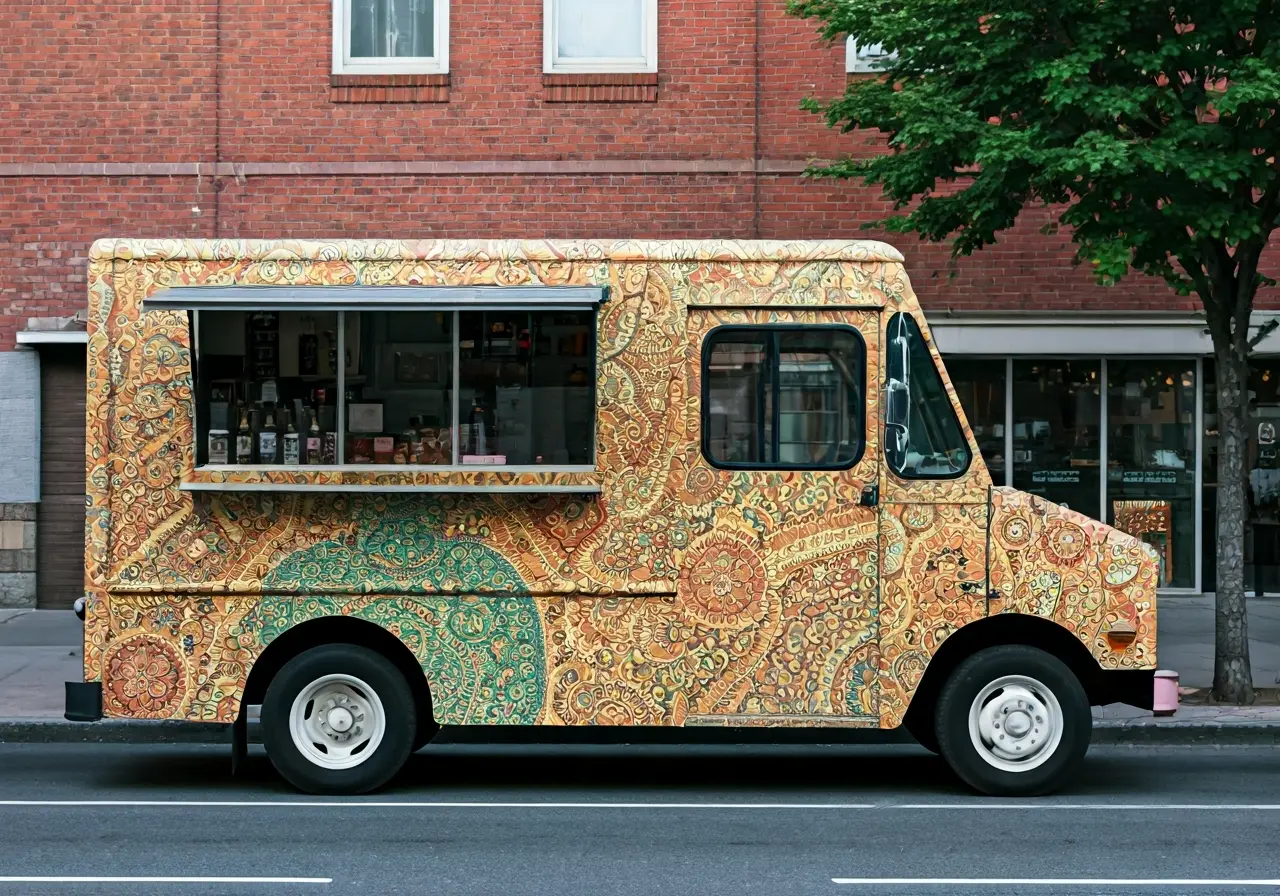
Branded food trucks are mobile food vendors that carry the branding and products of a specific business or company. They serve as both a point of sale and a marketing tool, bringing the brand’s identity and products directly to consumers.
Imagine a vibrant truck with your favorite brand’s logo, offering not only delicious meals but also embodying the essence of the brand it represents. These trucks often mirror a company’s ethos and style, making each interaction with the customer memorable and aligned with the brand values. Whether it’s a limited-edition menu item or signature offering, branded food trucks have the flexibility to adapt and cater to varying consumer needs, all while enhancing brand exposure.
Leveraging the freedom to roam the streets, branded food trucks act as ambassadors of their brands, allowing companies to reach their audience in unconventional settings. The mobile aspect enables brands to engage audiences at festivals, corporate events, and high-traffic locations, thus offering a versatile platform for both sales and marketing.
How Do Branded Food Trucks Operate?
These trucks operate by navigating various locations, often in urban areas, to serve and connect with a broad audience. They follow planned routes or attend events to maximize visibility and engagement with potential customers.
An essential aspect of their operation is strategic location planning. Operators choose routes and parking spots carefully, based on their target demographics and event calendars. Some trucks utilize GPS-based tools to update followers about their current and next locations via social media, ensuring high engagement rates and customer anticipation.
Operational efficiency extends beyond just picking prime locations; it includes staff management, inventory control, and menu adaptations based on crowd preferences. For instance, a popular choice at one event might drive menu versions at future events, optimizing both inventory and profitability.
Benefits of Utilizing Branded Food Trucks
By reaching people in different areas, branded food trucks boost brand awareness and customer loyalty. They offer a unique, interactive experience that stationary stores can’t match, often leading to increased sales and a stronger brand presence.
Unlike traditional outlets, branded food trucks facilitate direct interactions between the brand and its consumers. This personal touch can lead to valuable real-time feedback, helping companies adapt their offerings swiftly. The hands-on approach enables customers to feel connected with the brand story, promoting loyalty.
Additionally, the lower overhead costs compared to brick-and-mortar establishments and the capability to test new markets without significant risks make food trucks a highly attractive marketing avenue. Brands can experiment with new products and gather insights before committing to larger campaigns or product launches.
Key Considerations for a Successful Branded Food Truck
A successful branded food truck requires careful planning, from menu design and branding to logistics and regulatory compliance. Collaboration with chefs and marketing experts can ensure the truck effectively represents the brand while satisfying customer tastes.
Compliance with local health and safety regulations is crucial for ongoing success. This means securing permits, adhering to sanitation standards, and updating certifications as needed. Neglecting these can lead to operational disruptions, affecting the brand’s reputation.
Furthermore, consistent maintenance of the vehicle ensures it runs smoothly, projecting reliability and professionalism. A visually appealing and functional truck can make a lasting impression, as it’s not just about serving food—it’s about creating a comprehensive brand experience that resonates with the target market.
Examples of Successful Branded Food Trucks
Examples of successful branded food trucks include those launched by well-known brands like Starbucks or major fast-food chains that use their mobile presence to create buzz and demand for new and existing products.
Another exciting example is the branded vehicle used by celebrity chefs who leverage their reputation to host pop-up culinary experiences in different cities. These trucks not only promote their culinary expertise but also increase visibility for their brand affiliations or upcoming televised appearances.
By tapping into specific cultural or seasonal events, brands can localize their strategies. For instance, ice cream companies deploying trucks during summer festivals can result in massive social media coverage, amplifying their market reach exponentially.
Wrapping It Up
In conclusion, branded food trucks represent a dynamic fusion of culinary expertise and strategic marketing. By traversing through urban landscapes, they directly engage customers and strengthen brand visibility. Success hinges on aligning creativity with logistical know-how, making branded food trucks a compelling option for any business looking to innovate their marketing approach. Explore our services to see how you can integrate a branded food truck into your marketing strategy.