

In the ever-evolving world of marketing, standing out from the crowd is crucial. Custom food trailers have emerged as an innovative way to grab attention and connect with audiences. These mobile marketing powerhouses offer endless possibilities for creative campaigns.
Why Custom Food Trailers are Gaining Popularity
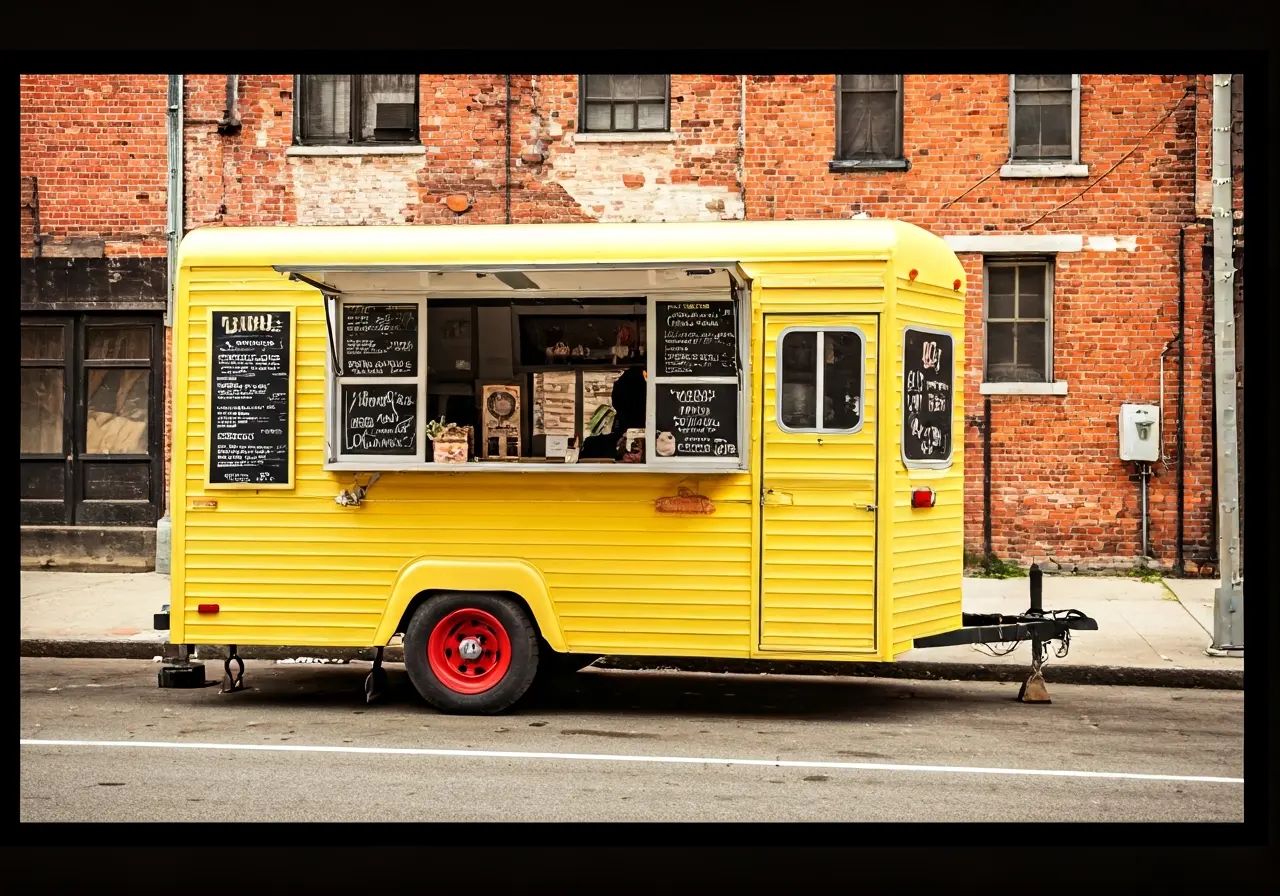
As businesses strive to create memorable experiences, custom food trailers have gained significant popularity. Unlike traditional marketing methods, these trailers bring the brand directly to the consumer, creating a more personable interaction. They provide a dynamic environment where customers can engage with a brand in a novel way. The mobility factor allows them to be present at various events, from music festivals to sports events, catering to a diverse audience. This adaptability not only enhances brand visibility but also taps into the experiential marketing trend that is becoming more prevalent today.
Furthermore, the cost-effectiveness of operating a food trailer compared to opening a brick-and-mortar establishment is another reason for their rising popularity. Food trailers require less overhead and can be easily adapted and updated to fit different campaigns. This flexibility allows businesses to creatively modify their campaigns as needed, staying relevant and interesting to their target audience. With these advantages, more brands are opting to incorporate custom food trailers into their marketing strategies.
The Versatility of Mobile Marketing
Food trailers offer unprecedented versatility in mobile marketing. With the ability to move to locations where the audience is most engaged, trailers allow brands to reach customers directly Versatile Marketing Strategies. Imagine setting up at a bustling city square during lunch, or attending a pop-up market where your target audience gathers. This mobility facilitates spontaneous interactions, ensuring that every campaign is both timely and relevant. Trailers can adapt their marketing message easily, whether it is through graphics on the exterior or promotional items being handed out. This tactic ensures that the brand message is always fresh and captivating.
Moreover, custom food trailers can integrate modern technology to enhance marketing efforts. With additions like interactive digital displays and mobile-payment systems, brands can offer a seamless experience that aligns with their tech-savvy consumers’ expectations. These technologies not only improve efficiency but also gather valuable consumer data that can inform future marketing strategies. By adapting to the local context and utilizing digital tools, businesses harness the full potential of food trailers as mobile marketing units.
Designing a Unique Brand Experience
Custom food trailers offer a canvas for brands to express their unique identity creatively. The exterior can be designed to reflect brand colors, logos, and themes, catching the eye of potential customers from afar. Inside, the experience can be curated to reflect the brand personality, from the type of food served to the overall ambiance. This immersive approach piques curiosity and fosters brand loyalty as consumers associate the positive memories with the brand.
Additionally, brands can collaborate with local artists to create a unique visual appeal that resonates with the local culture, thereby enhancing community engagement. This personalized touch not only differentiates the brand from competitors but also fosters a genuine connection with the audience. Designing interactive experiences within the trailer, such as small workshops, tastings, or social media challenges, can further enhance the engagement level, making the trailer a hotspot of activity at any event.
Targeting the Right Audience Effectively
One of the greatest strengths of custom food trailers is their ability to effectively target specific demographics. By moving to areas where target audiences frequently gather, trailers ensure that marketing efforts are precision-focused. For instance, a brand aiming to reach young professionals may position their trailer near business districts, while a family-oriented brand may position themselves at community fairs or school events. Using geographical data, brands can strategically plan their route to maximize impact.
Equipped with social media integration, these trailers can further amplify their reach by encouraging visitors to share their experiences online. This word-of-mouth marketing, especially through platforms like Instagram and Twitter, provides an authentic and trusted voice to potential customers. Encouraging patrons to use specific hashtags or participate in viral challenges can significantly broaden the campaign’s reach, making each interaction with the trailer more meaningful and expansive.
Success Stories and Case Studies
There are numerous success stories of brands leveraging custom food trailers to garner extraordinary results. Take, for example, the case of a health beverage company that utilized a custom trailer Engaging Brand Experience to travel across college campuses, targeting health-conscious students with sampling opportunities and lifestyle events. This strategy not only drove immediate sales but built long-term customer relationships that extended beyond the tour itself.
Another compelling case is a well-known tech company that transformed a trailer into a mobile demo station. By parking at tech conferences and high-traffic city centers, they provided hands-on experiences with their latest gadgets. These engagements led to a spike in social media mentions and product interest, proving that when executed well, food trailers can serve as powerful marketing tools that are as effective as they are innovative.
Embrace the Future of Marketing with Custom Food Trailers
Custom food trailers are more than just a trend; they’re a versatile and effective solution for brands looking to engage with their audience in unique ways. By offering mobility, flexibility, and a memorable experience, they can elevate marketing campaigns and make a lasting impact.