

In the bustling streets of Chicago, standing out is no small feat. As brands strive to capture the attention of both locals and tourists, experiential marketing vehicles have emerged as a dynamic solution. These mobile canvases are redefining how businesses connect with their audience by taking their messages directly to the crowds.
What Are Experiential Marketing Vehicles?
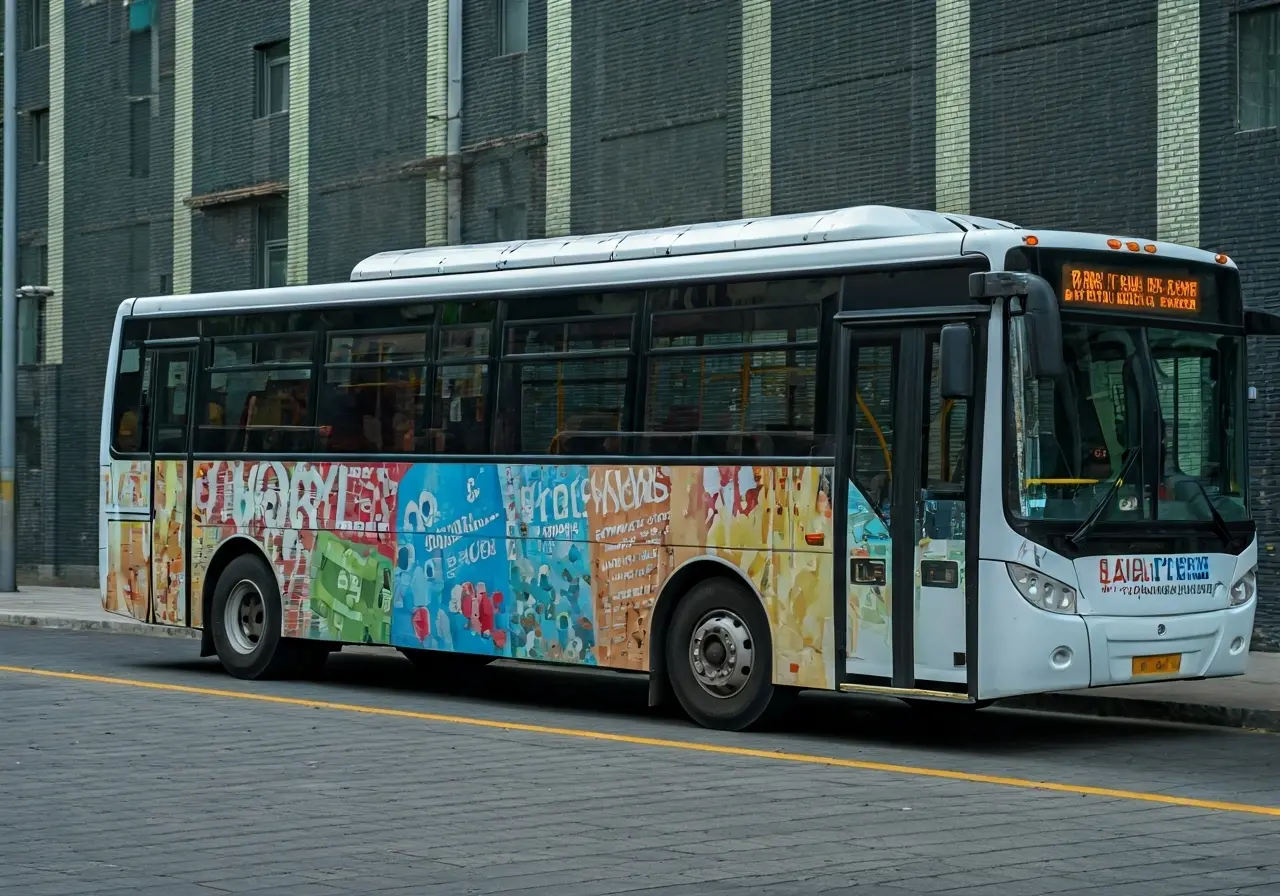
Experiential marketing vehicles are mobile units that act as interactive moving advertisements. They allow brands to transform ordinary spaces into immersive, on-the-go experiences, taking marketing campaigns beyond traditional methods. By converting a vehicle into a brand-centric mobile exhibit, companies can bring an entire world of possibilities to their audiences. Whether it’s a decked-out bus or a custom trailer, these vehicles become a canvas for imagination and creativity, connecting businesses with consumers in meaningful and memorable ways.
Imagine a van that opens up to reveal a mini-theater showcasing your latest virtual reality experience, or a truck designed to mimic a cozy café, complete with complimentary samples of your latest products. These vehicles are not just about advertising; they create a fully immersive experience that allows customers to interact directly with the brand in a new context. The goal is to evoke a strong emotional response from the audience, which in turn encourages word-of-mouth marketing and brand loyalty.
Why Choose Chicago for Your Next Campaign?
Chicago’s vibrant and diverse landscape is perfect for experiential marketing. With its iconic skyline and bustling neighborhoods, the city provides an ideal backdrop for unique brand experiences that capture the hearts and minds of its vast audience. Known for its rich culture and historical significance, Chicago offers a unique mixture of modern urban charm and traditional American spirit, making it a strategic location for businesses aiming to make an impactful presence.
The city’s streets are always alive with events, festivals, and tourists, offering prime opportunities for experiential marketing vehicles to attract attention. Whether stationed at a bustling farmer’s market in Logan Square or cruising alongside the picturesque shores of Lake Michigan, these vehicles can leverage Chicago’s energy to amplify their message. Moreover, the city’s commitment to innovation and community engagement aligns well with the interactive nature of these mobile marketing strategies.
Chicago’s diverse demographic also plays a critical role in why it’s so appealing for experiential campaigns. The city attracts a wide array of people from all walks of life, providing brands with the opportunity to engage with various consumer segments. This diversity not only enhances the reach but also provides valuable insights into consumer behavior, helping brands tailor their strategies more effectively.
Types of Experiential Marketing Vehicles
From food trucks wrapped in eye-catching graphics to double-decker buses hosting pop-up shops, the possibilities are endless. Each type of vehicle offers a distinct opportunity to tailor experiences that meet specific brand goals and engage audiences effectively. One innovative example is the transformation of traditional ice cream trucks into pop-up gourmet dessert shops that not only serve treats but tell the story of the brand through taste and aesthetics.
For brands aiming for maximum impact, a branded double-decker bus that travels through Chicago’s hotspots such as the Magnificent Mile or Navy Pier can provide a moving spectacle. These vehicles can serve as multi-sensory experiences, with upper decks converted into observation platforms where visitors can view interactive digital displays or live performances that complement the brand message.
A smaller-scale option might be a custom-fitted van that becomes a sleek mobile showroom for technology companies, complete with interactive touchscreens and virtual product demonstrations. This kind of setup not only provides an engaging physical touchpoint for consumers but also leverages advanced technologies to drive interest and curiosity.
Creating an Interactive Experience on Wheels
Innovation is key when designing experiential marketing vehicles. Brands can incorporate features such as interactive displays, augmented reality, and social media integration to enhance engagement and ensure a lasting impact on consumers. By designing an interior space that invites interaction, brands can create a narrative experience that resonates with their audience long after the vehicle has left the neighborhood.
For instance, a cosmetics company might create a mobile beauty studio, where visitors can try products using interactive mirrors that simulate different makeup looks via augmented reality. Integrating a social media sharing station inside the vehicle can further amplify the campaign as visitors share their experiences online, turning consumers into brand advocates.
Another example might include using virtual reality to transport attendees to a different world related to the brand’s core identity. Imagine stepping into a marketing vehicle that morphs into a whimsical forest or futuristic cityscape, all through the power of advanced VR technology. These interactive features encourage deeper engagement by creating unique experiences that audiences are eager to share and talk about.
Overcoming Challenges in Mobile Marketing
Deploying experiential vehicles comes with its own set of challenges, including logistical hurdles and navigating city regulations. However, with thorough planning and a creative approach, these obstacles can be transformed into unique opportunities for brand storytelling. It’s important to thoroughly research and understand local ordinances and obtain any necessary permits for your vehicle to operate smoothly and legally.
Additionally, the design of the vehicle must consider the practical aspects of mobility and safety, ensuring each element is securely fastened and able to withstand the demands of being constantly on the go. Partnering with experienced designers and logistics experts can minimize these risks and streamline the operational process.
Urban areas like Chicago can also pose challenges in traffic and space limitations, but these can be leveraged creatively. For example, planning a route that hits multiple hotspots during peak times can maximize exposure and engagement, turning potential obstacles into strategic advantages. By evaluating traffic patterns and audience data, brands can choose optimal times and locations to make the most significant impact.
Embrace the Road to Success
Experiential marketing vehicles are revolutionizing the way brands engage with their audience in Chicago. As companies embrace this innovative approach, they not only capture attention but also leave a memorable imprint in the minds of their customers. So, gear up to hit the road and make your brand the talk of the town. Visit our homepage to discover how your brand can utilize this powerful tool.