

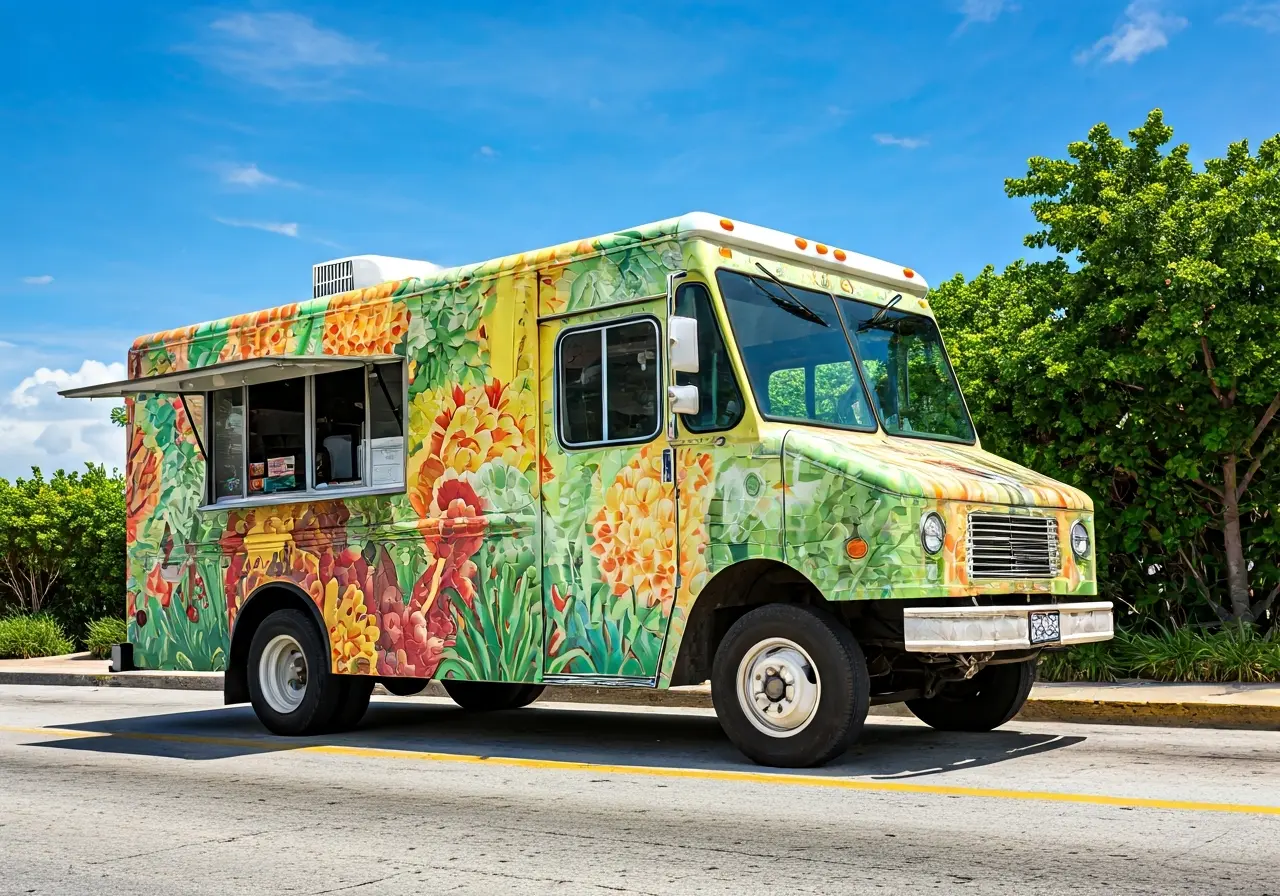
Food trucks have become a vibrant part of urban culture, especially in bustling cities like Miami. These mobile eateries offer a unique dining experience, serving up a delightful variety of cuisines to food lovers. But why are food truck conversions particularly popular in these environments? Let’s explore the reasons behind this phenomenon.
The Appeal of Mobility
One of the biggest draws of food truck conversions is their mobility. Unlike traditional restaurants, these dining vehicles can move to different locations, allowing vendors to target bustling areas during peak times and events. This flexibility is particularly advantageous in a city like Miami, where numerous festivals, markets, and cultural events take place throughout the year.
Mobility also allows food truck operators to test new locations and demographics without the commitment of a permanent location. This adaptability can lead to broader market reach and customer engagement. Food trucks can park near beaches, city parks, and other high-traffic areas, enticing people looking for a quick, delicious bite.
Moreover, food truck conversions provide operators the ability to adapt quickly to changes in the urban landscape, such as construction work or changes in traffic patterns. The freedom to relocate ensures that food trucks remain accessible and popular with their audience, maintaining a constant presence in the best spots.
Cost-Effective Business Model
Starting a food truck business requires significantly less investment compared to opening a brick-and-mortar restaurant. This affordability makes it an attractive option for aspiring chefs and entrepreneurs. The lower startup costs, coupled with the ability to modify menus and pricing quickly, make food trucks an excellent entry point into the culinary world.
The reduced overhead associated with food trucks—such as lower lease costs and minimal staff requirements—translates to higher profit margins. This efficient business model is particularly appealing in a city like Miami, where the competition can be fierce, and entrepreneurs must remain agile.
For many food truck operators, the lower costs also mean more funds can be allocated to ingredients and creating unique culinary experiences. This investment in quality and creativity is often what sets successful food trucks apart from their competition, helping them build a loyal customer base.
Cultural and Culinary Diversity
Food trucks in major cities offer a melting pot of flavors and cuisines that reflect the diverse backgrounds of their communities. This variety not only attracts locals but also tourists eager to experience the city’s culinary scene. In Miami, a city known for its multicultural population, food trucks can provide authentic tastes from Latin American and Caribbean cultures, among others.
Innovative chefs use food trucks to experiment with fusion cuisines, blending traditional recipes with modern techniques. This experimentation is often more feasible in a food truck due to lower risks and flexible menus, which can be quickly adjusted based on customer feedback.
The diversity found within food truck menus also aligns with the increasing demand for international cuisine and food experiences that go beyond conventional dining. This broad appeal enhances the food truck scene, making it a staple of culinary adventure.
Engaging with the Local Community
Food trucks often participate in local events, festivals, and markets, making them an integral part of the community. They foster connections and provide a casual, approachable dining option for residents and visitors alike. Through these interactions, food trucks become a beloved staple in the areas they frequent, often remembered for their distinctive flavors and friendly service.
Furthermore, food trucks can collaborate with other local businesses or artisan markets, creating symbiotic relationships that benefit all parties. These partnerships can lead to increased visibility and shared customer bases, drawing more people to both the food trucks and their partners.
Many food trucks also take pride in sourcing ingredients locally, supporting farmers and producers within the community. This commitment not only aids local economies but also ensures fresher, higher-quality ingredients. These practices resonate with consumers who prioritize sustainability and community support in their purchasing decisions.
The Urban Food Revolution
In conclusion, food truck conversions thrive in major cities due to their adaptability, cost-effectiveness, and ability to tap into the local culture. Their presence enriches the urban landscape, offering diverse culinary experiences that align with the fast-paced and dynamic nature of city life. If you’re inspired to start your own food truck journey, visit our homepage for more information.