

In today’s fast-paced marketplace, businesses constantly seek fresh, innovative approaches to stand out and capture their audience’s attention. One trend that’s gaining momentum is the food truck pop-up, a creative and dynamic way to bring your brand directly to the people. In this blog, we’ll explore how this concept not only reinvents brand engagement but also introduces a tasty twist to marketing strategies.
Understanding the Food Truck Pop-Up Phenomenon
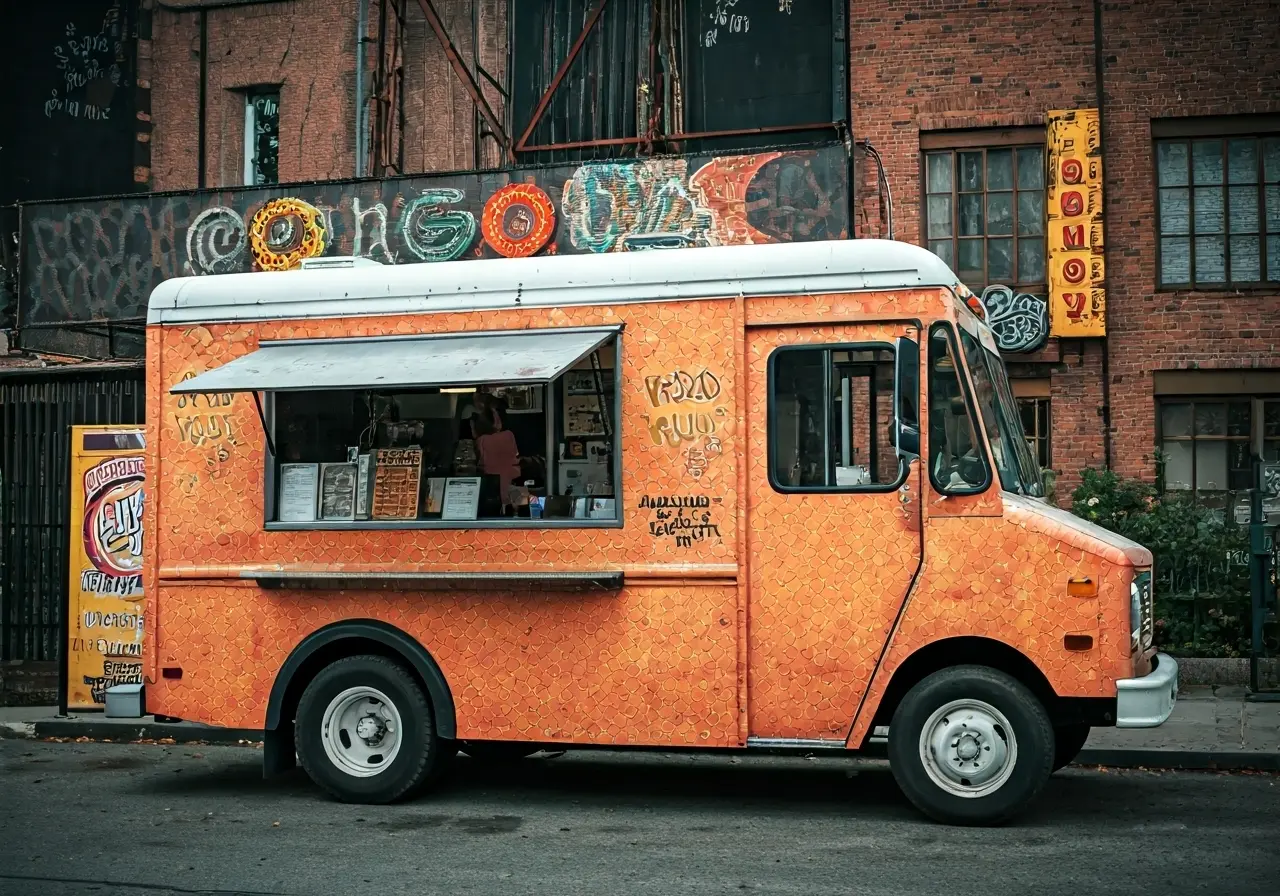
The concept of food truck pop-ups has been gaining traction as businesses look to reach customers where they are. These temporary dining experiences bring a sense of novelty and excitement, making them an ideal platform for brands to showcase their products in a fun and engaging way.
Unlike traditional brick-and-mortar establishments, food truck pop-ups thrive on mobility and adaptability. This flexibility allows brands to appear in locations that can maximize visibility and optimize customer engagement. Picture a bustling city center during lunchtime or a music festival where food choices abound; these are prime spots for a pop-up. Moreover, the temporary nature of these setups creates a sense of urgency among potential customers, encouraging them to visit before the opportunity slips away. This phenomenon taps into the desire for unique experiences and drives a connection that is both immediate and memorable.
Why Food Truck Pop-Ups Are Perfect for Brand Innovation
Food truck pop-ups allow brands to think outside the box and connect with audiences in new environments. They provide flexibility and mobility, allowing businesses to test markets, introduce new products, and gather real-time feedback from diverse customer groups.
Beyond just being a novel approach, food truck pop-ups align with the modern consumer’s desire for experiences and authenticity. By bringing your brand to a pop-up, you’re stepping into the environment of your consumer, enhancing your relatability and appeal. This strategy is particularly useful for brands that are keen on tapping into niche markets or targeting specific demographics without the long-term investment of a permanent location. It allows quick adaptation to emerging trends and customer feedback, ensuring that brands can innovate their offerings dynamically and responsively.
In today’s competitive market, differentiation is key. Food truck pop-ups offer a unique factor that sets you apart from competitors who are confined to traditional spaces. Furthermore, the social media buzz generated from a well-executed pop-up can significantly amplify brand exposure. Interactive elements such as live cooking demonstrations or themed decor tailored to the brand’s identity can enhance the customer experience, making it not just about food, but a cultural event, which can lead to greater brand loyalty.
Building a Culinary Brand Experience
Creating a memorable food truck pop-up involves more than just serving delicious food. It’s about crafting an atmosphere that reflects your brand’s values and resonates with your target audience. This can include themed events, interactive elements, and personalized customer service that reinforce your brand identity.
A successful pop-up starts with a concept that aligns closely with your brand message. Whether it’s rustic and handcrafted, or sleek and modern, the aesthetics should be consistent across signage, packaging, and staff uniforms. Interactive elements can include cooking workshops, tastings or even collaborative sessions where customers can suggest new recipes. Technology can also play a role; for instance, integrating augmented reality experiences can turn a meal into a memorable journey enhancing customer engagement.
Customer service in a food truck pop-up is key to elevating the overall experience. Staff should be trained not only in service skills but also in storytelling, to articulate the brand’s narrative effectively. Creating a dialogue between the brand and customers can build stronger connections and result in loyal patrons who follow your pop-up adventures. Consider offering branded merchandise or loyalty programs that encourage repeat visits and amplify word-of-mouth promotion.
Navigating Challenges in Food Truck Pop-Up Marketing
While food truck pop-ups offer many opportunities, they can also present challenges like logistical issues and regulatory requirements. Understanding these challenges beforehand and planning accordingly can ensure a successful and smooth operation that delights your customers.
One of the most significant challenges is navigating the local regulations. Food truck operators must be aware of the permits and health regulations in each area they plan to operate. Failure to comply with these can result in fines or shutdowns. Additionally, logistical issues such as securing a prime location, ensuring consistent food supply, and managing crowd control can present hurdles. Brands must scout locations in advance and coordinate with vendors to maintain a seamless supply chain.
Furthermore, the unpredictability of weather and fluctuating foot traffic can impact the success of a pop-up. Having a contingency plan for bad weather or alternate peak times can mitigate losses. Marketing strategies should also be adaptable; relying heavily on social media and local influencers can increase visibility and adjust as per real-time social trends enhancing social media engagement.
Case Studies: Successful Food Truck Pop-Up Campaigns
Looking at successful food truck campaigns can provide insights and inspiration for your brand. By examining how other businesses have used food trucks to boost their visibility and create buzz, you can gather valuable ideas and strategies to apply to your own pop-up endeavor.
One notable example is the ‘Books and Burgers’ campaign, where a local bookstore collaborated with a gourmet burger food truck to pair best-selling novels with delicious themed burgers. This collaboration created a unique atmosphere that not only attracted foodies but also book lovers, resulting in cross-industry promotion and increased foot traffic for both partners. Similarly, a well-known athletic brand launched a smoothie truck at major marathons, serving up energy-boosting smoothies to hungry runners, thereby positioning its products as part of a healthy lifestyle integrating brand identity.
These examples highlight how food truck pop-ups can become a collaborative platform where brands from different domains join forces to reach broader audiences. By identifying complementary partners, brands can enhance their market reach and create a more dynamic consumer experience. Such partnerships can be beneficial not only in terms of revenues but also in strengthening brand collaboration that could lead to long-term alliances.
Spice Up Your Marketing Strategy with a Food Truck Pop-Up
Incorporating a food truck pop-up into your branding strategy offers a unique blend of innovation and customer interaction. It not only enhances your brand visibility but also creates memorable experiences for your audience. So, if you’re looking to add flavor to your marketing efforts, it’s time to consider hitting the road with a culinary twist. Visit Food Truck Campaigns to get started.