

In recent years, food trucks have become more than just a source of delicious meals on wheels. Particularly in Los Angeles, these mobile eateries are revolutionizing urban marketing strategies. With their unique approach to branding and customer engagement, food truck promotions have turned city streets into bustling marketing hotspots. Let’s explore how these culinary entrepreneurs are redefining street-level marketing in the heart of Los Angeles.
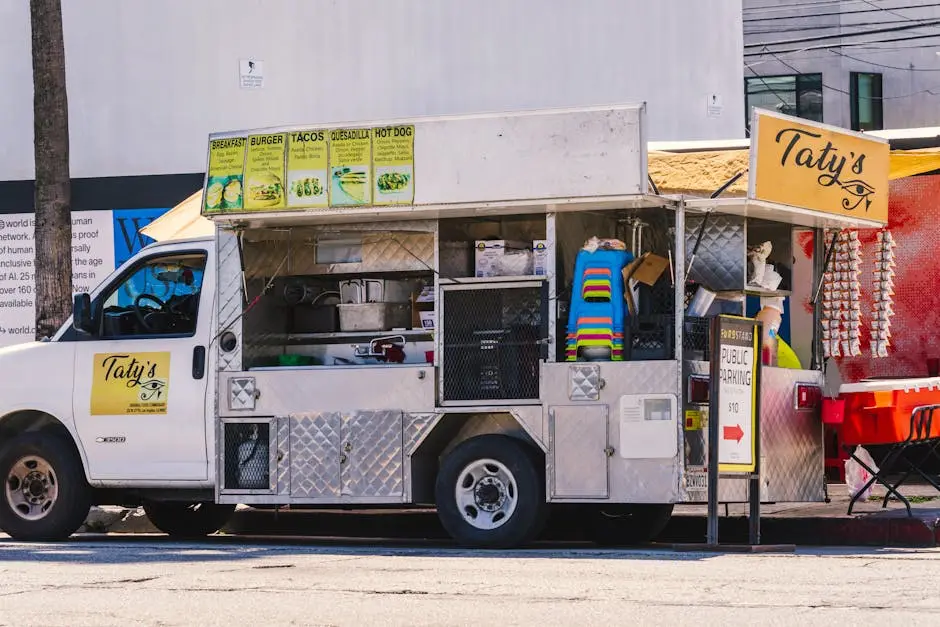
The Rise of Food Trucks in Los Angeles
Los Angeles is known for its diverse culinary scene, and food trucks have become a huge part of this. They offer variety, accessibility, and a unique dining experience, making them popular among locals and tourists alike. This popularity has spearheaded their transformation into marketing tools.
The rise of food trucks in Los Angeles can be attributed to the city’s vibrant food culture combined with a demand for more flexible dining options. What started as a novelty has turned into a staple of the city’s gastronomic ecosystem. These mobile kitchens serve everything from gourmet tacos to Asian fusion, satisfying diverse palates and demonstrating culinary creativity that promotes word-of-mouth marketing. As people share their food truck experiences on social media, these businesses naturally gain traction, fostering a community that follows them from location to location. This buzz positions them as dynamic marketing platforms capable of highlighting new food trends.
Leveraging Location: Strategic Spotting for Maximum Exposure
Food trucks have mastered the art of being in the right place at the right time. By choosing strategic locations, they capture the attention of a diverse audience, capitalizing on high foot traffic areas such as festivals, office districts, and tourist spots.
At the heart of successful food truck marketing lies the art of strategic spotting. This means more than just parking on busy streets. It involves a deep understanding of customer demographics and activity patterns. For example, positioning food trucks near a concert venue can attract not just concert-goers but also employees setting up the event. Also, parking at a busy downtown corner during lunch hours caters to office workers looking for a quick yet delightful meal. Each location is selected to maximize visibility, turning each stop into an opportunity to reach new customers and increase brand recognition. Geographic diversity also plays a role as food trucks can easily move to new areas, attracting different audiences without the costs associated with a permanent location.
By participating in special events or festivals, food trucks integrate themselves into city life, making each outing part of a larger cultural tapestry. Attendees remember their dining experiences just as vividly as the event itself, embedding the brand in communal memory. Additionally, collaborative pop-ups with local businesses enable food trucks not only to expand their reach but also to enhance collective marketing efforts. Choosing locations that speak to a brand’s identity solidifies a food truck’s presence as a staple in the bustling streets of Los Angeles.
Creating a Unique Brand Identity
Each food truck boasts its own distinctive style and branding, from eye-catching graphics to quirky names and specialty menus. This strong brand identity is crucial in attracting attention and fostering customer loyalty, standing out in the competitive market of mobile eateries.
Brand identity for food trucks goes beyond just logos and names; it’s an experience. A cohesive design featuring vibrant graphics and a memorable catchphrase can transform an ordinary truck into an unforgettable image that stays with the customers. Moreover, the menu itself becomes an intrinsic part of the identity, with signature dishes often defining the truck’s reputation. For instance, a food truck specializing in gourmet burgers might be renowned for its ‘secret sauce,’ turning a single menu item into a sought-after sensation. By staying true to their unique flavor profiles, these mobile diners maintain their brand’s authenticity in a crowded market.
Connecting with the local culture also plays a vital role. Trucks infuse local flavors into their offerings, creating a culinary story that resonates with residents. This not only appeals to regulars but also to tourists looking to taste the essence of Los Angeles. Creative branding also extends into merchandise such as branded t-shirts or reusable food containers. These act as walking advertisements and help cement the truck’s place as a beloved fixture in the community. Consistent branding across all customer touchpoints, from food presentation to social media interaction, ensures the brand is instantly recognizable and ready to engage its audience.
Engaging With the Community
Many food trucks engage directly with their community through social media, announcing schedules and locations, and inviting feedback. This two-way communication not only keeps customers informed but also builds a devoted community around each brand.
Community engagement is essential for food trucks, as it transforms customers from mere diners into loyal brand ambassadors. Food trucks participate in local events, not only to sell food but to become part of the community narrative. By supporting local causes or collaborating with community centers, food trucks uplift neighborhoods and invite residents to join in building a supportive network. These interactions deepen customer relationships beyond transactions, as diners feel connected to a business that actively contributes to their surroundings.
Moreover, community events provide a platform for interaction, where customers can learn the story behind the brand, meet the chefs, or even suggest menu items. Food trucks frequently host giveaways or ‘meal naming’ contests, involving patrons directly in crafting the food experience. Social media serves as a natural extension of these community connections, with dynamic engagement giving customers an opportunity to showcase their dining experiences. These actions not only nurture a sense of belonging but inspire a community spirit that keeps customers coming back.
Leveraging Social Media for Promotion
By harnessing the power of social media platforms, food trucks reach a wider audience. Regular updates, tantalizing food photos, and interactive content create a dynamic online presence that fuels both foot traffic and the truck’s growing popularity.
Social media is a powerful tool for food trucks seeking to expand their reach and engage new fans. Platforms like Instagram and Twitter allow food trucks to create visually compelling content that showcases their culinary creations while promoting their daily locations. Not only does this keep regular customers informed but it also attracts curious foodies eager to discover the latest flavors the city has to offer. These posts often go viral, amplified by users tagging friends or sharing with their own networks. Interactive features such as polls or live streams provide additional excitement, making followers feel involved in the action regardless of their physical location.
Hashtag campaigns create buzz, enabling potential customers to find food trucks easily by searching trending tags. Furthermore, partnerships with influencers or food bloggers can significantly amplify a food truck’s visibility in targeted demographics. Collaborations can include exclusive previews or tastings that generate excitement around an upcoming menu item. In today’s digital age, a strong and creative social media presence is not just a promotional tool — it’s an integral part of a food truck’s identity, echoing the brand’s energy and reaching diverse audiences across the city.
A New Standard in Urban Advertising
As we can see, food truck promotions are more than just a craze—they’re a savvy marketing strategy that’s reshaping the Los Angeles streets. By combining appealing aesthetics with strategic location choices and vibrant community engagement, these mobile businesses are setting a new standard for urban advertising. Whether you’re a food lover or a marketing professional, there’s an exciting world of opportunity waiting to be explored.