

In the bustling streets of Chicago, food trucks represent more than just a quick bite on the go; they are a testament to innovation, community, and delicious culinary experiences. Today, we dive into the excitement of food truck promotions and look at what makes them such a resounding success, particularly under the bright city lights of Chicago.
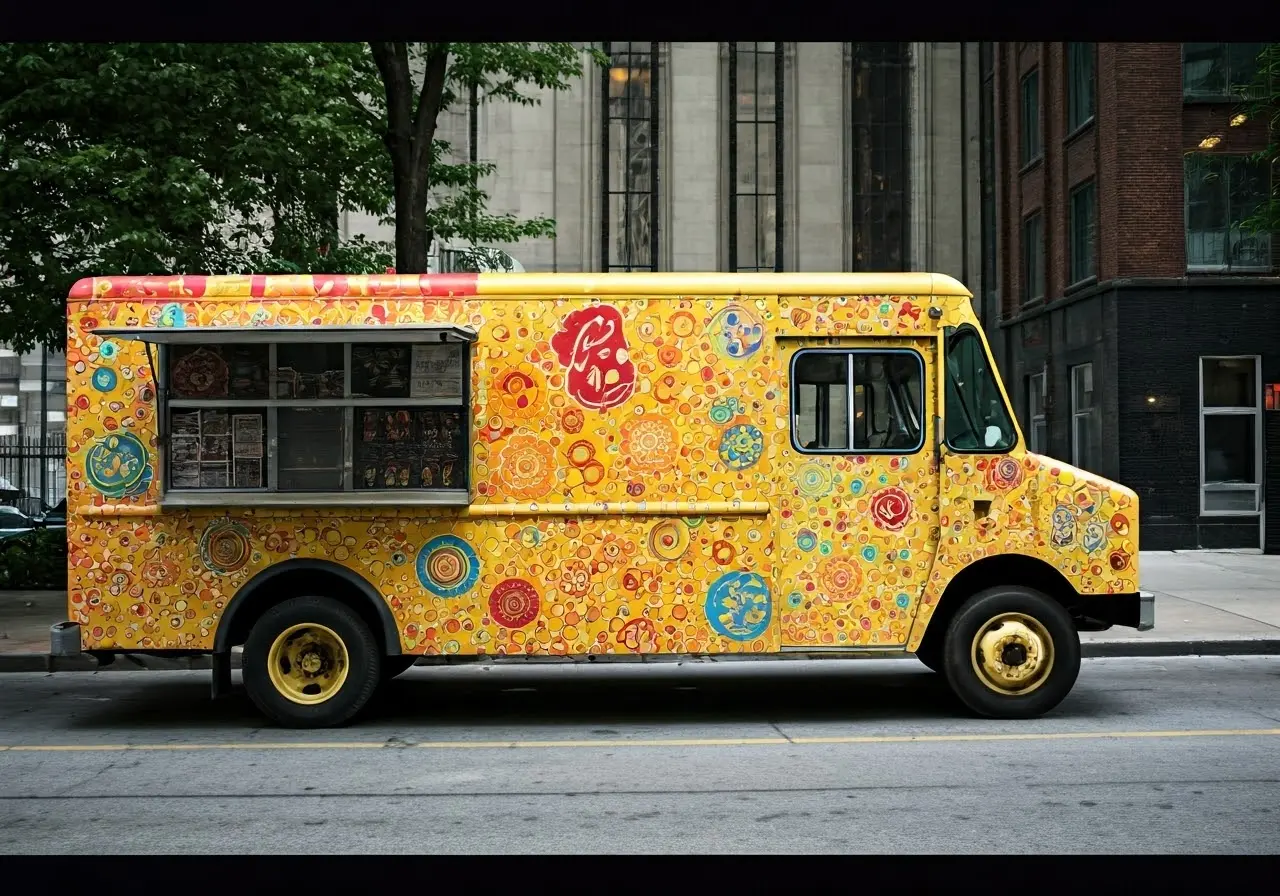
The Rise of Food Trucks in Chicago
The food truck scene has grown exponentially in Chicago over the past decade. From gourmet tacos to artisanal ice cream, these mobile kitchens have become a staple of the city’s vibrant culinary tapestry. The rise of food trucks can largely be attributed to the city’s rich, diverse cultural heritage which naturally lends itself to a wide variety of flavorful dishes. The economic flexibility they offer plays a significant role too, as aspiring chefs can enter the food industry without the burden of substantial overhead costs associated with traditional brick-and-mortar restaurants.
Chicago’s food trucks aren’t just about serving food; they’re about creating memorable experiences. The trend began with a few pioneering trucks and quickly gathered steam, capturing the attention of food enthusiasts and casual diners alike. As they rolled out across the city, food trucks carved out a unique culinary space, challenging restaurants by offering gourmet meals at competitive prices. Streets once dominated by fast-food chains began to transform into dynamic gastronomic hubs, each food truck bringing its own story, flavor, and experience to the table.
Innovative Promotion Strategies
Food truck owners in Chicago are using creative promotions to stand out. Tactics like loyalty programs, themed food events, and strategic collaborations with local businesses help them attract diverse crowds. For instance, some trucks offer punch cards that grant a free meal after a set number of purchases, cultivating a repeat customer base. These approaches leverage traditional marketing strategies but are often enhanced by digital touchpoints, making them accessible to the tech-savvy millennial audience that forms a large portion of their consumer base.
Seasonal promotions are another innovative strategy employed by food trucks. Embracing Chicago’s seasonal changes, trucks often craft limited-time menus that feature seasonal ingredients. This not only appeals to environmentally-conscious consumers but also keeps the offerings fresh and exciting. Special weekend menus or ‘Taco Tuesdays’ provide anticipation and drive traffic, often resulting in long lines and bustling business. These promotions also create social media buzz, translating to increased visibility both online and offline.
Harnessing Social Media for Engagement
Social media plays a crucial role in food truck promotions. Offering real-time location updates, exclusive deals, and engaging content, platforms like Instagram and Twitter are vital for building and maintaining a loyal following. Many food truck owners share enticing food photos, run social media contests, and engage directly with their customers through comments and messages. This interactive approach helps in creating a personalized experience that builds a sense of community among followers. Instagram Stories and TikTok videos, featuring behind-the-scenes looks and chef specials, bring the vibrant energy of these food trucks to life.
Moreover, using popular hashtags related to Chicago food trucks or certain food items increases the reach of promotional posts. Collaborations with local influencers amplify their promotions and help food trucks tap into broader networks. These influencers often share reviews and personal experiences, which resonate well with their audiences and boost credibility for the food trucks they feature. The integration of geo-tags and location tags helps potential customers easily locate food trucks during their daily commutes, turning a simple post into a navigational aid.
Collaborations and Community Involvement
Many food trucks in Chicago enhance their visibility and establish lasting connections by partnering with community events, local artists, and festivals. These collaborations not only boost sales but also create a strong sense of community. By participating in music festivals, art shows, or charity events, food trucks become an integral part of the cultural fabric of the city. This symbiosis strengthens their brand and fosters goodwill among locals. Participating in events like ‘Taste of Chicago’ showcases their offerings to a wider audience, enabling them to reach people who might not typically venture into food truck territory.
The involvement of food trucks in community-oriented activities reflects a commitment to more than just profit. It’s about investing in the social aspects of business, building relationships, and supporting local organizations. For instance, partnering with schools for fundraising events or sponsoring local sports teams endears them to residents. These actions not only help forge personal connections but also encourage repeat business as customers begin to identify the trucks as part of their community’s identity.
Challenges and Opportunities
While the benefits are many, running a food truck isn’t without its hurdles. Navigating city regulations, unpredictable weather, and maintaining operational efficiencies present ongoing challenges. Yet, these challenges also present opportunities for innovation and growth. For instance, operators are exploring sustainable practices to counteract environmental concerns, such as using biodegradable packaging and reducing waste. Additionally, despite Chicago’s harsh winters, some trucks adapt by offering winter-friendly menus and deploying weatherized serving stations that keep both the food and customers warm.
Competition among food trucks is fierce, but this drives culinary innovation and excellence. Each food truck strives to offer a unique product or flavor profile to distinguish itself from the crowd, leading to a truly unique and diverse food scene. Newcomers to the market need to focus on building a unique brand and strong customer relationships to succeed. The challenges also highlight the importance of customer feedback, as trucks must remain agile in adapting to satisfy ever-evolving consumer preferences. These hurdles, while daunting, forge a resilient and dynamic food truck community committed to surpassing expectations.
Turning Culinary Wheels: Lessons from Chicago’s Streets
In the ever-evolving landscape of street food, Chicago’s food trucks stand out thanks to their innovative promotions and community-centric approaches. Whether it’s a vibrant social media presence or creative collaborations with local events, these mobile eateries have mastered the art of captivating their audience. For anyone looking to delve into this industry, Chicago’s streets offer invaluable lessons and insights. For more about these innovative approaches, visit our homepage.