

In today’s fast-paced marketing world, brands are always seeking innovative ways to connect with their audience. One such trend gaining momentum is the use of food truck rentals in experiential marketing. These portable dining options offer more than just delicious treats; they provide a unique and immersive brand experience that can’t be ignored.
Why Food Trucks are a Perfect Match for Experiential Marketing
Food trucks have quickly become a staple in experiential marketing due to their mobility and versatility. They can easily adapt to different locations and themes, allowing brands to tailor experiences directly to their target audience. Unlike traditional fixed-location marketing venues, food trucks can maneuver through various environments—from busy urban streets to serene park settings—enhancing the potential for unique and memorable consumer interactions.
The charm of food trucks lies in their ability to be both novel and nostalgic. For many, they evoke memories of street fairs and festivals, while also introducing innovative dining options that reflect current culinary trends. Brands can leverage these associations by creating experiences that are fresh but comforting, innovative yet familiar. This dual dynamic draws in a wider audience who find themselves intrigued by both the culinary offerings and the overall experience.
Creating Memorable Brand Experiences with Culinary Delights
The combination of great food and memorable experiences enhances customer engagement. By integrating themed menus or branded food items, companies can create lasting impressions that align with their brand’s story. Imagine a beverage company offering unique drink concoctions inspired by a new product line, or a dessert truck serving sweets that incorporate brand colors and logos. These culinary strategies open new avenues to reinforce brand messaging.
Engaging all the senses is a hallmark of effective experiential marketing, and food trucks take this principle to heart. While visual branding through truck design and menu displays captures attention, the aroma of freshly cooked food draws people in, sparking curiosity and interest. Once engaged, the taste delights and surprises, often leaving a favorable and lasting impression associated with the brand. This sensory experience is something static advertising can’t quite replicate.
The Logistical Advantages of Food Truck Rentals
Apart from their marketing appeal, food trucks offer logistical benefits. They require less setup time and cost compared to traditional brick-and-mortar venues. This allows brands to reach more locations efficiently. Whether it’s a pop-up event in a busy business district or a festival in the suburbs, food trucks can effectively bring the brand to the consumer, maximizing outreach while minimizing overhead costs.
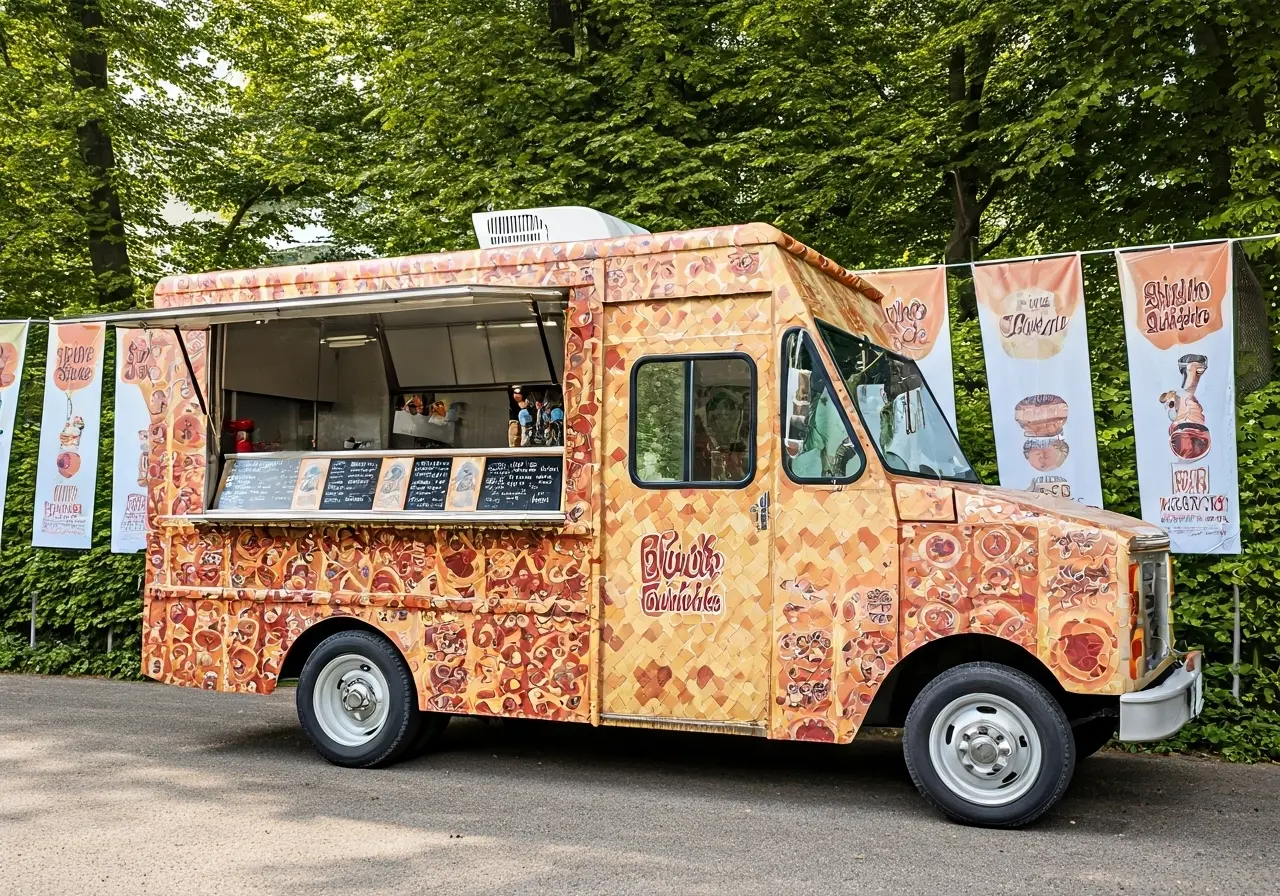
Furthermore, food trucks can be easily branded and customized to suit a company’s specific marketing goals. From eye-catching vehicle wraps to customizable menu options, brands can have complete control over how they present themselves. This flexibility means that food truck appearances can be precisely tailored to fit different campaign themes or promotional strategies.
In addition to their adaptability, food trucks offer the significant advantage of mobility. This isn’t just about moving locations; it’s about reaching diverse and untapped market segments in an accessible way. They can pop up in areas where a new audience resides, offering a first-hand experience without requiring the consumer to move an inch from their daily routine, making them a powerful vehicle for discoverability.
Case Studies: Brands Leveraging Food Trucks Successfully
Several brands have successfully used food truck rentals in their campaigns. For example, companies like Nike and Coca-Cola have demonstrated creative uses of food trucks to engage and captivate their audience in a fun and relatable manner. Nike’s athletic-themed truck toured cities offering exclusive merchandise and inviting the public to physical challenges, tying the experience directly to their brand ethos of activity and empowerment.
Meanwhile, Coca-Cola’s trucks have made appearances offering unique flavors not available in stores, creating exclusivity and intrigue. By tapping into such unique interactions, these brands have diversified their engagement strategies, meeting consumers in spaces and styles that traditional marketing often overlooks. Such instances serve as a testament to the versatility and effectiveness of food trucks in delivering an unforgettable brand experience.
Other notable cases include brands in the tech and fashion sectors, which surprisingly, have grasped the potential of food trucks. For instance, a tech company launched a ‘coffee and code’ event, serving freshly brewed java alongside coding workshops on wheels, thereby creating a direct association between their brand and creativity in technology. This not only spurred interest but also fostered a community around their products.
The Delicious Future of Experiential Marketing
The rise of food truck rentals in experiential marketing signifies a shift towards more interactive and engaging brand experiences. As marketers continue to explore creative avenues, food trucks remain a powerful tool in making a lasting impression. If you’re looking to elevate your brand’s presence, it’s worth considering this dynamic and tasty approach.