

In the ever-evolving world of marketing, businesses are constantly seeking innovative ways to engage with their audience. One such strategy that’s gaining momentum is the use of food trucks for marketing purposes. Not only do they offer flexibility and mobility, but they also create memorable brand experiences. In this blog, we’ll explore how nationwide food trucks can be harnessed as powerful marketing tools.
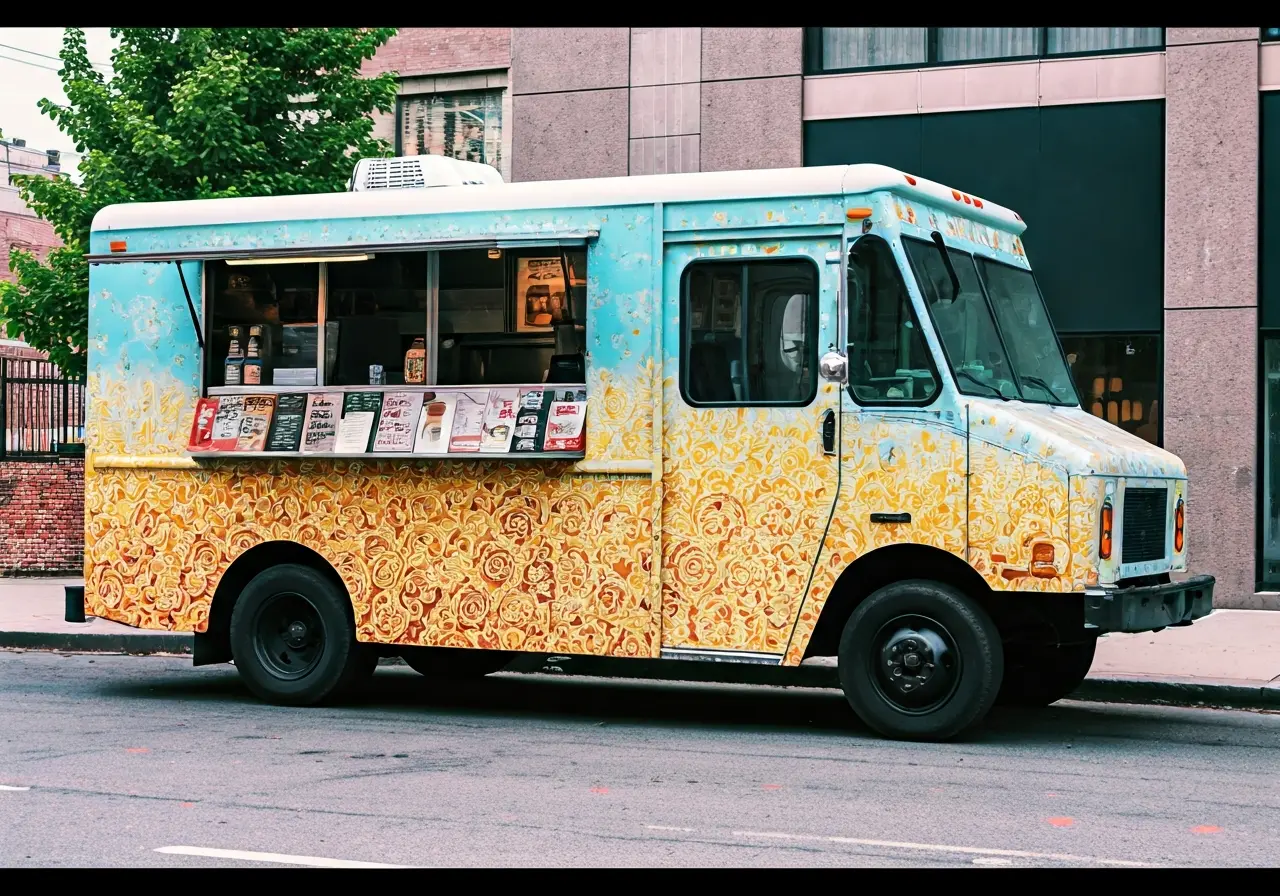
The Rise of Food Truck Marketing
Once primarily a street food staple, food trucks have evolved into dynamic marketing tools. This rise can be attributed to their unique blend of mobility and engagement, which allows brands to reach consumers directly and personally. Food trucks break away from the traditional brick-and-mortar limitations, offering businesses the chance to showcase their products or services in an unconventional setting. This approach not only piques curiosity but also encourages a more intimate interaction with potential customers, fostering lasting impressions.
The flexibility of food trucks is particularly appealing in a fast-paced market. As they can relocate quickly and adapt to different environments, food trucks allow brands to participate in various events, festivals, and even pop-up markets without the constraints of permanent establishments. Furthermore, the casual and fun environment of a food truck often translates into a more relaxed and positive interaction with the brand. Businesses that embrace this trend can capitalize on the public’s inherent interest in novelty and unique experiences.
Harnessing the potential of food trucks isn’t just about mobility; it’s about creating an experience that resonates with the audience. Businesses that leverage food trucks are able to tell their story in a tangible, memorable way. The ability to tailor the truck’s design, menu, and even the music to reflect the brand’s personality ensures a cohesive and engaging experience that’s hard to replicate through traditional means.
Creating Memorable Brand Experiences
Food trucks serve as an ideal platform for creating memorable experiences that resonate with consumers. From custom-designed trucks to themed menus, they are a creative way to showcase a brand’s personality. Envision a food truck decked out in vibrant colors and bold graphics, stopping at a local park to serve gourmet options while a curated playlist sets the mood. This immersive experience links the enjoyment of a meal with the pleasure of engaging with the brand, transforming casual customers into brand advocates.
In addition to aesthetics, the sensory experiences offered by food trucks engage customers on multiple levels. The aroma of fresh-cooked food combined with the visual appeal of a well-designed truck can significantly enhance the consumer’s interaction with the brand. Such multi-sensory engagements can help consumers forge stronger emotional connections to brands, making them more likely to remember and return. Food trucks, therefore, become not just a meal stop, but a lively hub of interaction and brand storytelling.
Additionally, food trucks are often able to tap into community spirit, participating in local events and supporting causes that matter to the public. In doing so, brands can position themselves as community-centric, aligning their image with values that resonate with consumers. This ethical alignment, coupled with the enjoyment of the experience, makes the brand more relatable and enhances consumer trust and loyalty over time.
Strategic Location and Timing
The advantage of food trucks is their ability to appear in strategic locations at optimal times. This flexibility helps brands to position themselves in high-footfall areas or at events where they can maximize visibility and engagement. Imagine placing a food truck outside a bustling concert venue, offering exciting menu items to concert-goers. By situating themselves in locations where their target audiences naturally gather, savvy marketers are able to increase the likelihood of interaction and engagement.
One of the keys to effective food truck marketing lies in understanding and predicting consumer behavior. Researching areas where potential customers frequently visit, such as farmer’s markets, sporting events, or university campuses, can significantly enhance the impact of the food truck presence. Timing is also crucial – lunch hours in business districts or weekends in recreational spots can optimize reach and visibility.
Strategic placement isn’t only about visibility. It’s about creating an experience that feels relevant and timely. This way, food trucks aren’t just another vendor; they become an expected and anticipated part of an event or location. By consistently appearing in these areas, brands can build a reliable reputation and a loyal customer base eager for their next visit.
Social Media and Food Truck Marketing
Social media can amplify the reach of a food truck marketing campaign. By sharing location updates and engaging content, brands can create buzz and encourage followers to interact both online and offline. Picture this: a beautifully crafted Instagram post announcing a food truck’s exclusive location for a day, paired with eye-catching photography of the day’s menu specials. Such posts not only boost engagement but also build anticipation among followers, encouraging them to share with their networks.
Engaging directly with consumers in this digital space creates a two-way dialogue that traditional advertising often lacks. After all, social media isn’t just a broadcasting tool – it’s an interactive platform. Companies can leverage these platforms to gather direct feedback, host contests, and connect personally with their audience. This not only builds relationships but also helps brands adjust their offerings to meet consumer demands more effectively.
Measuring Success and ROI
It’s essential to measure the success of food truck marketing campaigns. By analyzing metrics such as customer engagement, brand loyalty, and sales growth, businesses can assess the ROI and refine strategies for future campaigns. With digital tools, businesses can track impressions and interactions, offering valuable insights into consumer preferences and tendencies over time.
The impact of a successful food truck marketing campaign isn’t solely reflected in immediate sales. Consider the long-term effects on brand awareness and customer loyalty. An encounter with a well-branded, innovative food truck can sow seeds of consumer trust and affection, leading to increased lifetime customer value. By maintaining these connections through strategic follow-ups via email or special offers, brands can ensure continued engagement well beyond the initial food truck experience.
Furthermore, assessing the effectiveness of individual elements, such as truck design, menu offerings, and social media engagement, allows brands to hone their approach and maximize the potential of future campaigns. Utilizing robust analytics aids in understanding consumer behaviors and making informed decisions that drive both immediate and prolonged success.
Embrace the Food Truck Phenomenon
In a world where traditional marketing strategies are constantly being challenged, food trucks offer an exciting alternative. They provide brands with the opportunity to connect in unique, personal ways that aren’t confined to conventional advertising limits. As businesses continue to seek innovative methods to captivate their audiences, nationwide food trucks stand as a testament to the power of creativity and adaptability in the marketing realm. Discover how your brand can join this movement by visiting our homepage.