

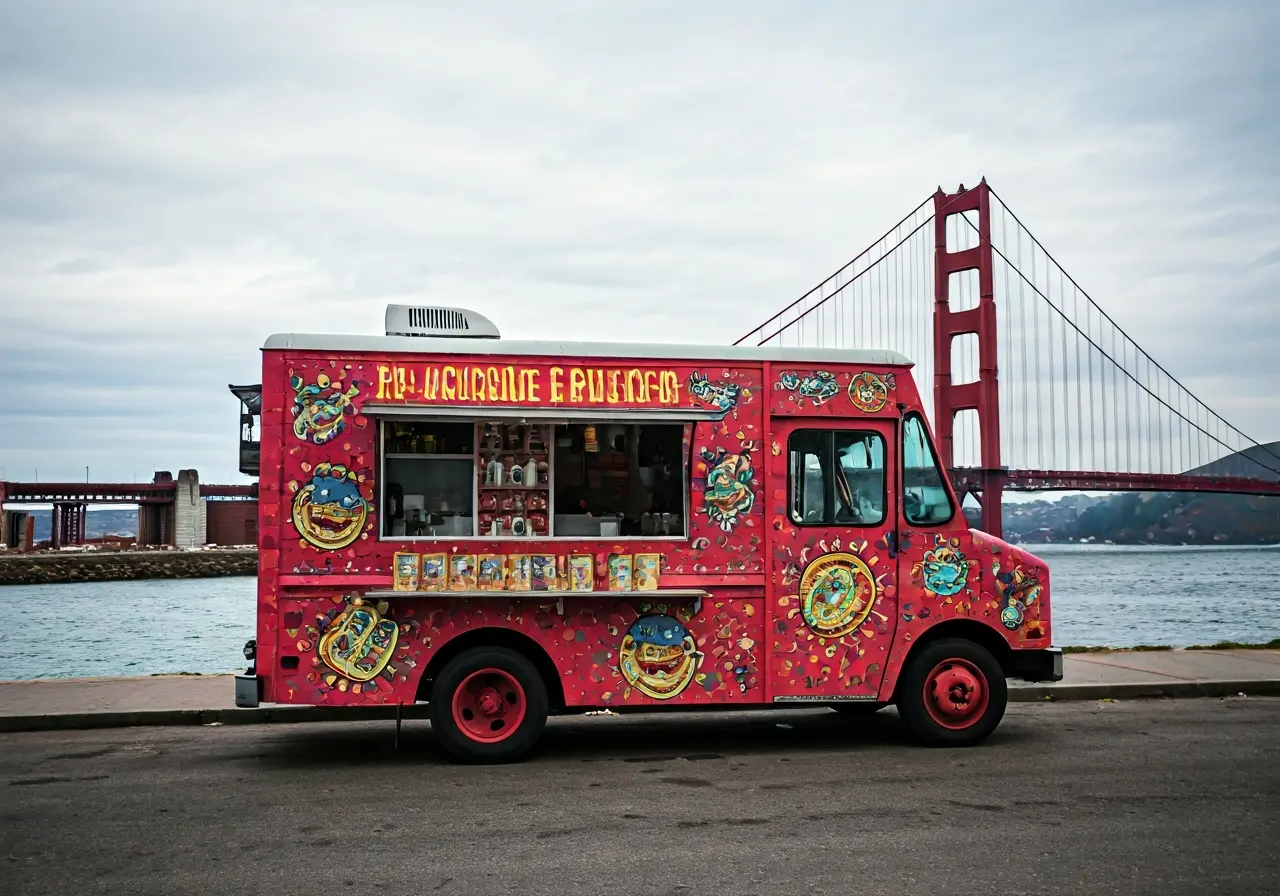
In the bustling city of San Francisco, food trucks are not just about serving up delicious meals on wheels. These mobile culinary units have transformed into marketing powerhouses, offering unique opportunities to engage and connect with a diverse audience. In this blog, we’ll explore innovative ways marketers can leverage nationwide food trucks and make their campaigns unforgettable.
1. Pop-Up Culinary Experiences
Imagine roaming the streets of San Francisco and stumbling upon a food truck offering gourmet tacos only available for a few hours. This element of surprise is exactly what makes pop-up culinary experiences so exciting. By announcing their next location through sporadic social media updates, food trucks can engage foodies eagerly searching for the next taste sensation. This tactic not only heightens interest among enthusiasts but leverages the power of curiosity, a principle that naturally fuels word-of-mouth marketing.
Additionally, brands can amplify this tactic by creating limited edition offerings that are exclusive to their pop-up events. Whether it’s a celebrity chef collaboration or a particular cuisine that matches a cultural event, these experiences create a sense of exclusivity and urgency. As customers post their experiences online, the brand benefits from organic advertising and buzz, drawing even larger crowds in subsequent cities.
2. Brand Partnership Promotions
Collaborative ventures between food trucks and local enterprises represent a symbiotic relationship that can transform a street corner into the heart of a marketing campaign. By co-branding food items or organizing joint events, both parties can boost their brand presence and tap into each other’s reach. For example, a partnership with a popular coffee shop might result in the creation of a special blend exclusively served via the food truck, pulling in coffee aficionados.
Furthermore, these partnerships can include promotional offers that encourage customers to visit both businesses, such as discounts or combo deals. This strategy fosters cross-promotion and opens avenues for introducing one’s product or service to an entirely new audience, thereby enhancing consumer engagement and increasing sales potential. It’s a win-win scenario that sustains brand loyalty and invigorates the local economy.
3. Community Engagement Initiatives
Food trucks can serve as a vehicle for positive change, especially in community-centric cities like San Francisco. Hosting fundraising events or cultural festivals through food trucks not only brings people together for a cause but also ingrains the brand within the fabric of the community. By working with local nonprofits or schools, food trucks can organize events where a portion of proceeds support community goals, thereby aligning corporate objectives with social responsibility.
One engaging approach is to organize local talent showcases, where artists and performers get a chance to shine on makeshift stages beside food trucks. This set-up draws audiences for both the performances and the food, fostering a family-friendly atmosphere and promoting cultural diversity. Businesses that align with these initiatives can solidify their reputation as community champions, building trust and loyalty among local consumers.
4. Mobile Product Launches
Launching a product amid a flurry of fanfare is vital for grabbing attention, and what better stage than the mobile and dynamic setting of a food truck? When a tech company or artisan chocolatier decides to reveal its latest invention, employing a food truck can turn a static announcement into an interactive street festival, complete with sampling stations and product demonstrations.
Additionally, giving exclusive previews or complimentary samples garners consumer interest and provides firsthand feedback. These trucks can meander through business districts during lunch hours or even set up at community centers to foster interest from varied demographics. As the truck moves, the promotion travels with it, maximizing reach and ensuring a fresh wave of excitement in each locale. This mobile strategy can turn the conventional product launch into an experiential journey, leaving a lasting impression on potential customers.
5. Interactive Social Media Campaigns
Social media is a potent tool when wielded alongside mobile marketing platforms like food trucks. Integrating interactive elements such as GPS-tracking, where followers can track their favorite food trucks across the city, adds a layer of gamification that appeals to tech-savvy consumers. Utilizing hashtags specific to the campaign can amplify this reach, prompting users to share their experiences with friends and followers.
Moreover, creating social media contests that encourage users to Post stories of their food truck visits provides authentic user-generated content that can be leveraged for further marketing. Rewarding creativity with prizes or shoutouts can increase engagement and create a communal online presence. As these digital campaigns unfold, they effectively transform online interactions into physical foot traffic, enhancing the visibility and allure of the dining experience. Adding live updates and interactions keeps the content fresh and maintains a close-knit community feel among its followers.
6. Seasonal and Festival Collaborations
Seasonal events and festivals are massive draws in busy urban hubs like San Francisco. By collaborating with event organizers, food truck businesses can create irresistible opportunities to present themed dishes that resonate with the spirit of the occasion. For example, during a music festival, food trucks could offer signature items that pay homage to the artists performing, adding a gastronomic touch to the celebration.
Such partnerships not only benefit from established festival foot traffic but also contribute to the event’s novelty and appeal. They can include specially designed menus and interactive installations that weave the culinary experience seamlessly into the larger festivities. This effective collaboration reinforces brand presence and solidifies relationships with event-goers, potentially turning them into loyal customers long after the tents are folded and guests have gone home.
7. Art and Food Fusion Events
Food trucks can travel beyond traditional culinary bounds by merging food with local art in unforgettable fusion events. Collaborating with Bay Area artists to transform truck exteriors into moving masterpieces can heighten visual appeal and attract art aficionados. These events inspire creativity and conversation, engaging both art lovers and food enthusiasts in meaningful exchanges.
Imagine a series of culinary and art-themed block parties where people can sample meals inspired by famous paintings while artists create live installations. This dynamic blend of art and cuisine offers a multi-sensory experience that differentiates brands from competitors. By captivating audiences through visual and palate-pleasure, businesses can foster a unique brand narrative that lingers in the minds of their customers well beyond the event.
8. Sustainability Campaigns on Wheels
In today’s environmentally conscious world, promoting sustainability is vital for brand integrity. Food trucks uniquely offer mobile platforms to advance green initiatives, showcasing farm-to-table practices, solar energy use, or just eco-friendly packaging. By spotlighting these strategies, brands can appeal directly to environmentally aware consumers, who are likely to support businesses that prioritize the planet.
Co-launching sustainability campaigns with environmental organizations can broaden this reach further, spreading awareness while drawing passionate communities that champion green practices. Educational workshops surrounding these initiatives can also be held in tandem, providing a deeper understanding of sustainable food production to eager participants. As these trucks roll across San Francisco, paving the way with minimal ecological impact, they effectively serve as a loudspeaker for eco-conscious living.