

In an ever-evolving digital world, brands are constantly seeking innovative ways to capture attention. Street food marketing offers unique and creative opportunities to make your brand stand out. Explore the energy and authenticity of street food to connect with audiences on a whole new level in 2023.
1. Leveraging Authentic Experiences
Street food connects people to cultures and original tastes. Offering authentic experiences helps your brand resonate with customers on a personal level, building a loyal following. When people sample your street food, they’re not just eating; they’re participating in a cultural exchange which cultivates a unique emotional bond. Interlacing storytelling into these authentic experiences can further deeply engrain your brand into the lives of consumers. Narratives about the origins of the dishes or tales of family recipes can stir feelings of nostalgia, adding emotional depth to the culinary experience.
Exceptional street food vendors often invite customers to experience something beyond typical dining. Perhaps it’s a chance to chat with the chef or to see the food prepared right in front of them. These interactive elements break down barriers and make the food feel more personal and less transactional. Engaging with customers on a direct level foments brand loyalty because consumers feel valued and see themselves as an integral part of your brand’s journey.
2. Creating Buzz with Pop-Up Events
Pop-up street food events are a perfect way to create excitement. They draw crowds eager to try something new, providing an excellent platform for real-time interaction with your brand. The ephemeral nature of pop-ups injects a sense of urgency and exclusivity, encouraging people to participate before they miss out. These events offer rich opportunities for cross-promotion with other local businesses or influencers, further expanding your reach.
To maximize the impact, consider leveraging digital platforms to announce and promote your pop-up events. Utilize eye-catching imagery and strategic hashtags to create a buzz online. Hosting a series of pop-ups in different locations can extend your brand’s geographical reach and introduce your products to varied demographics. Remember, the goal is to ignite curiosity and create memorable moments that participants will want to share, both online and by word-of-mouth.
3. Collaborating with Local Chefs
Partnering with local chefs adds credibility and variety to your offerings. These collaborations can bring innovative dishes that attract adventurous foodies. By associating your brand with established culinary experts, you bolster your reputation and introduce an element of prestige to your menu. Together, you can experiment with flavors to create limited-time offerings that celebrate seasonal ingredients or highlight lesser-known delicacies, ensuring that each visit from your customers offers something refreshingly new.
Such partnerships with chefs not only diversify your menu but also enrich the customer experience by incorporating the chefs’ unique style and know-how. Engaging chefs in demonstrations or workshops further dazzles customers, turning them into ambassadors for both your brand and the culinary talent you’ve teamed up with. The chefs’ following might also mean new audiences for your brand, expanding your influence and presence in the food scene.
4. Utilizing Eye-Catching Food Carts
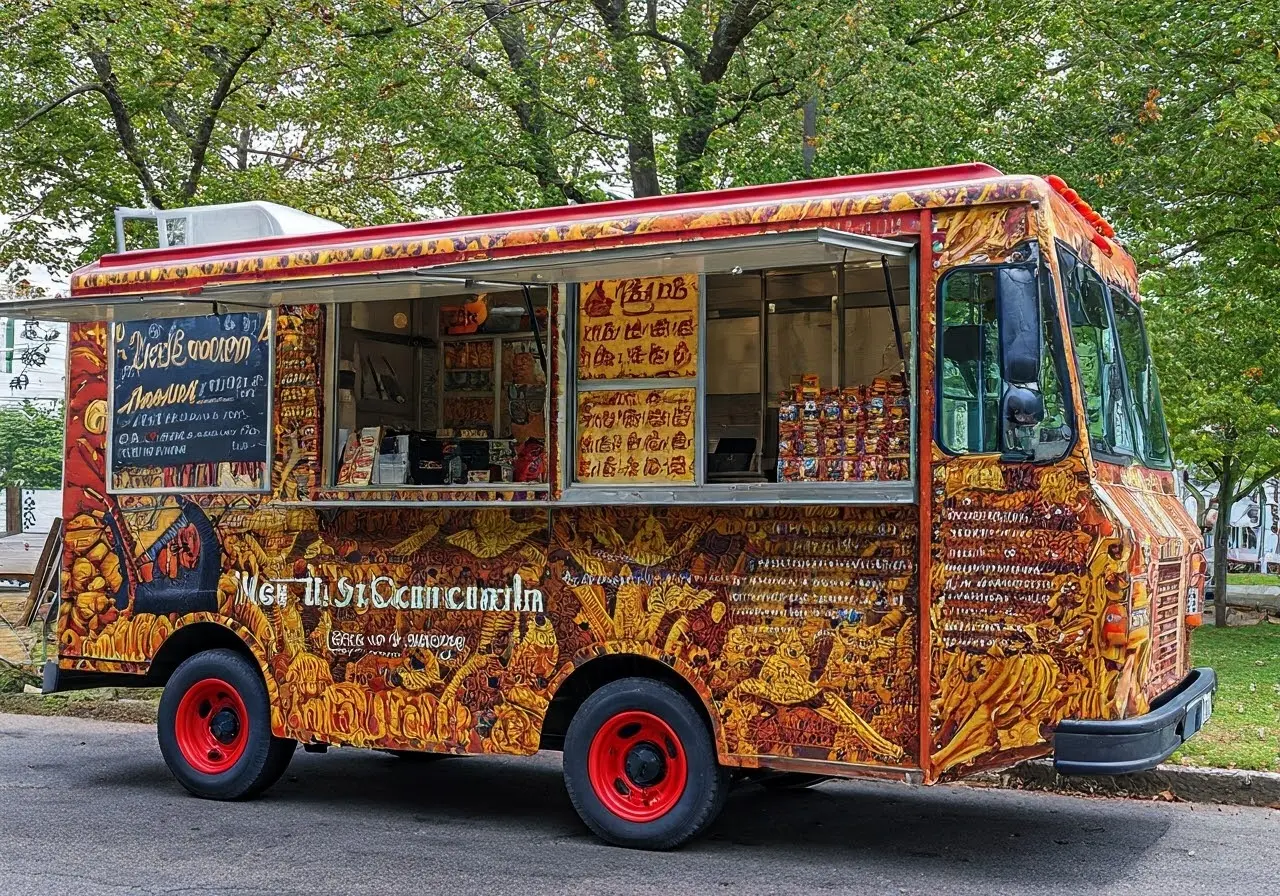
Eye-catching carts are key to grabbing attention on busy streets. Turn your brand into a visual feast with vibrant, creative designs that are hard to miss. Reflect the essence of your brand with colors, graphics, and logos that tell your story even at a glance. The design should not only be about aesthetics—functional elements like interactive screens for menus or ordering systems can transform a simple food cart into a cornerstone of your marketing strategy.
Beyond functionality and design, there’s power in personalization. Creative setups that incorporate elements like retractable awnings or customizable sections invite interaction and build a stronger connection with your customers. Don’t underestimate the potential of your cart to become a social media icon—design elements that encourage customers to take photos and share on platforms like Instagram, triggering organic promotion of your brand.
5. Engaging Audiences through Social Media
Harness the power of social media to share captivating images and stories from your street food events. This engagement fosters community and expands your reach. Think beyond mere advertising and towards building relationships; responding to comments, sharing user-generated content, and posting behind-the-scenes glimpses create a dynamic dialogue that draws people into your brand narrative.
Social media isn’t just a display shelf for your food but a storytelling platform. Highlighting customer experiences with personalized stories can fuel a sense of inclusion and belonging among your audience. Running contests or challenges related to street food can also stimulate community involvement and spread brand awareness. Remember, each interaction determines the kind of digital community you wish to build around your street food brand.
6. Offering Interactive Cooking Sessions
Invite customers to participate in interactive cooking sessions. These activities are not only entertaining but also make your brand experience more memorable. They afford an insider’s view on how favorite street foods are prepared and perhaps even let them try their hand at creating these dishes. This participative element serves to demystify your offerings, allowing customers to appreciate the craftsmanship that goes into every meal they enjoy.
Transforming customers into active participants instead of passive consumers can significantly elevate their brand experience. Hosting a cooking class with a famous chef or teaching traditional cooking techniques can stir a deeper appreciation not just for the food, but the culture behind it. These sessions naturally draw the audience into your brand narrative and build a community of food enthusiasts who share your passion and message.
7. Promoting Sustainable Practices
Today’s consumers value sustainability. Highlight your commitment to eco-friendly practices through sustainable packaging and sourcing initiatives, aligning your brand with current values. By committing to lessening environmental impact, you appeal to a growing segment of conscientious consumers. Messaging around ecological efforts, such as incorporating compostable serving ware or partnering with local, sustainable farmers, should be central in your communication strategy.
Moreover, transparent communication regarding your sustainability journey holds immense power. Regularly update customers about the strides your brand is making concerning eco-friendly measures. Inviting your audience to participate, such as through return-and-reduce programs for packaging or encouraging feedback on sustainability, also establishes a dialogue that builds trust and reinforces your place as a responsible brand.
8. Incorporating Themed Food Tours
Themed food tours can create a narrative that resonates with your target audience. Tailor these experiences to showcase different aspects of your brand’s personality. Whether highlighting regional cuisines, historical traditions, or seasonal ingredients, themed tours engage customers in an educational and entertaining journey through your street food offerings.
Visually and thematically distinct tours ignite interest and curiosity. Promoting these themed excursions through detailed storytelling that aligns with your brand identity appeals to experiential seekers craving more than a meal. Such tours also present opportunities for local partnerships and cross-promotions, further broadening the community engaged with your brand.
9. Participating in Street Food Festivals
Festivals are a fantastic showcase for your brand. Engage with diverse audiences and leverage the festival atmosphere to leave a lasting impression. Amidst an array of flavors, your street food can become a standout by offering something unique or creating an interactive, memorable presence. Offering exclusive festival dishes or prizes can entice festival-goers, making them more inclined to visit your stand.
Creating an immersive experience in the lively and bustling environment of a festival can set your brand apart. Introducing limited-time offerings or conducting live cooking demonstrations interacts with the senses, making your brand’s essence unforgettable. Forge connections with other vendors and form strategic partnerships during these festivals to further extend your local network and customer base.
10. Telling Your Brand’s Story
Street food provides a compelling backdrop to share your brand’s origins and vision. Craft a narrative that enriches the connection with your audience. From your brand’s humble beginnings to its aspirations, sharing this journey turns customers into co-pilots on your growth trajectory. Integrate cultural elements or personal anecdotes into your narrative, making your street food not just a culinary offering, but a historic and emotional journey.
Storytelling adds a layer of meaning that transcends the standard food experience. Engaging narratives capture the heart of your brand’s mission and values, whether it’s family recipes passed down generations or a devotion to authentic flavors. By connecting emotionally, you cultivate a deeper relationship with your customers, encouraging them to accompany you into the future of your brand’s story.